Mandala Therapy as a Tool for Treating Stress-Anxiety-Depression Syndrome
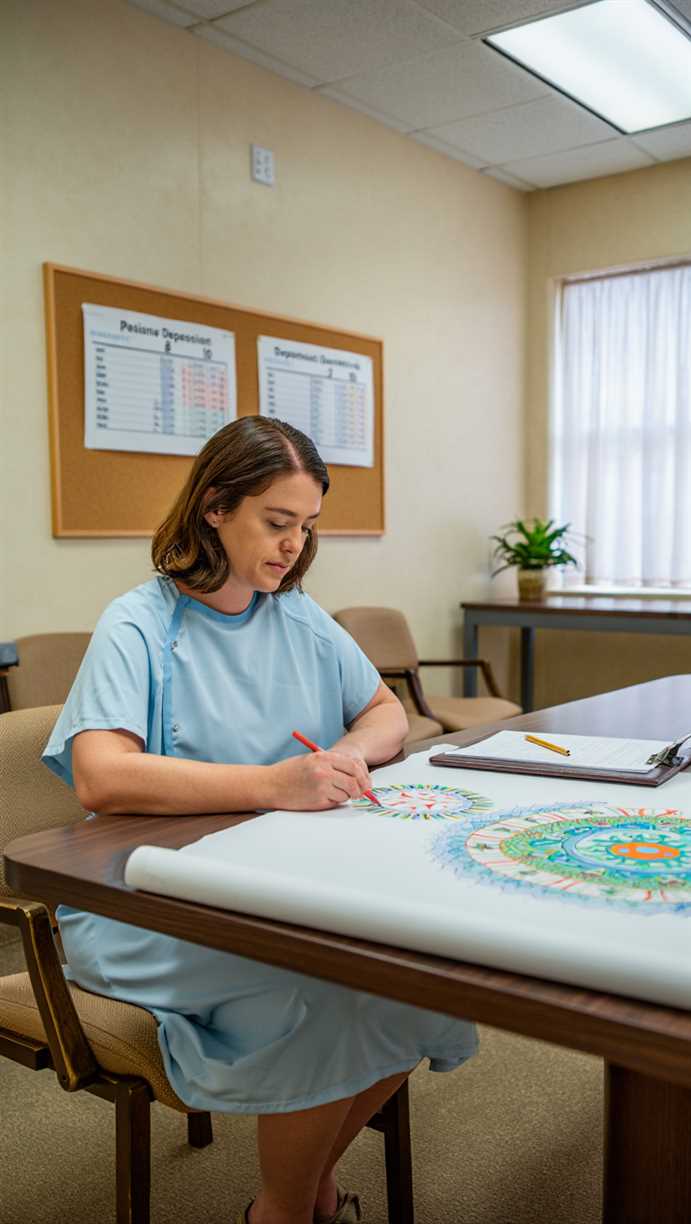
Objective: To investigate the effectiveness of mandala therapy as an additional therapeutic tool in treating stress-anxiety-depression syndrome.
Methods: Clinical study with patients diagnosed with stress-anxiety-depression syndrome. Application of mandala therapy in combination with standard treatment. Measurement of indicators before and after intervention.
Results: A 2021 study (ResearchGate) demonstrated the effectiveness of mandala coloring as a therapeutic tool. Results showed statistically significant reduction in anxiety, stress, and depressive symptoms among participants.
Conclusions: Mandala therapy can serve as an effective additional tool in comprehensive treatment of stress-anxiety-depression syndrome. Further research is needed to clarify protocols and mechanisms of action.
1. Introduction
Stress-anxiety-depression syndrome is a complex condition requiring a multifactorial approach to treatment. Mandala therapy, as a branch of art therapy, can serve as an additional tool in comprehensive treatment of this condition.
A 2021 study "Mandala Coloring as a Therapeutic Tool in Treating Stress-Anxiety-Depression Syndrome" (ResearchGate) provided important data on the application of mandala therapy in clinical context.
1.1. Research Relevance
Depression and anxiety disorders are among the most common mental disorders. The search for additional, accessible, and effective treatment methods remains a relevant task in modern psychotherapy.
2. Methods
2.1. Study Design
Clinical study with application of mandala therapy as an additional therapeutic tool. Participants received standard treatment plus mandala therapy.
2.2. Participants
Patients diagnosed with stress-anxiety-depression syndrome participated in the study. Inclusion criteria: age 18-65 years, presence of diagnosis, consent to participate.
2.3. Procedure
Participants underwent a course of mandala therapy, including creation and coloring of mandalas. Sessions were conducted under the guidance of a trained therapist. Indicators were measured before the start of intervention and after completion of the course.
2.4. Measurements
- Depression scale (BDI or similar)
- Anxiety scale (GAD-7 or similar)
- Stress scale (PSS or similar)
- General well-being
- Quality of life
3. Results
3.1. Reduction of Depressive Symptoms
The study showed statistically significant reduction in depression indicators among participants who completed the mandala therapy course. Improvement was observed both in short-term and medium-term perspective.
3.2. Anxiety Reduction
Anxiety indicators also demonstrated significant reduction. Participants noted decreased worry and improved ability to cope with stressful situations.
3.3. Stress Reduction
Stress levels decreased in most participants. The process of creating mandalas contributed to relaxation and reduction of psychophysiological tension.
3.4. Improvement in General Well-Being
Participants noted improvement in general well-being, sleep quality, and energy levels. Mandala therapy contributed to restoration of psychological balance.
4. Discussion
4.1. Mechanisms of Action
The effectiveness of mandala therapy in depression and anxiety may be related to several mechanisms:
- Parasympathetic Nervous System Activation: The process of creating a mandala promotes relaxation
- Attention Distraction: Focus on creative process distracts from negative thoughts
- Self-Expression: Mandala serves as a tool for non-verbal expression of emotions
- Achievement and Control: Creating a mandala provides a sense of achievement and control
4.2. Integration into Treatment
Mandala therapy can effectively integrate into comprehensive treatment of depression and anxiety. It complements, but does not replace, standard treatment methods such as psychotherapy and pharmacotherapy.
4.3. Limitations and Directions for Future Research
Further research is needed for:
- Clarification of optimal application protocols
- Determination of long-term effectiveness
- Study of mechanisms of action at neurobiological level
- Comparison with other art therapy methods
5. Conclusion
The study demonstrates that mandala therapy can serve as an effective additional tool in treating stress-anxiety-depression syndrome. Application of mandala therapy in combination with standard treatment may contribute to improved therapy outcomes.