Application of Mandala Therapy in Medical Context: Research Review
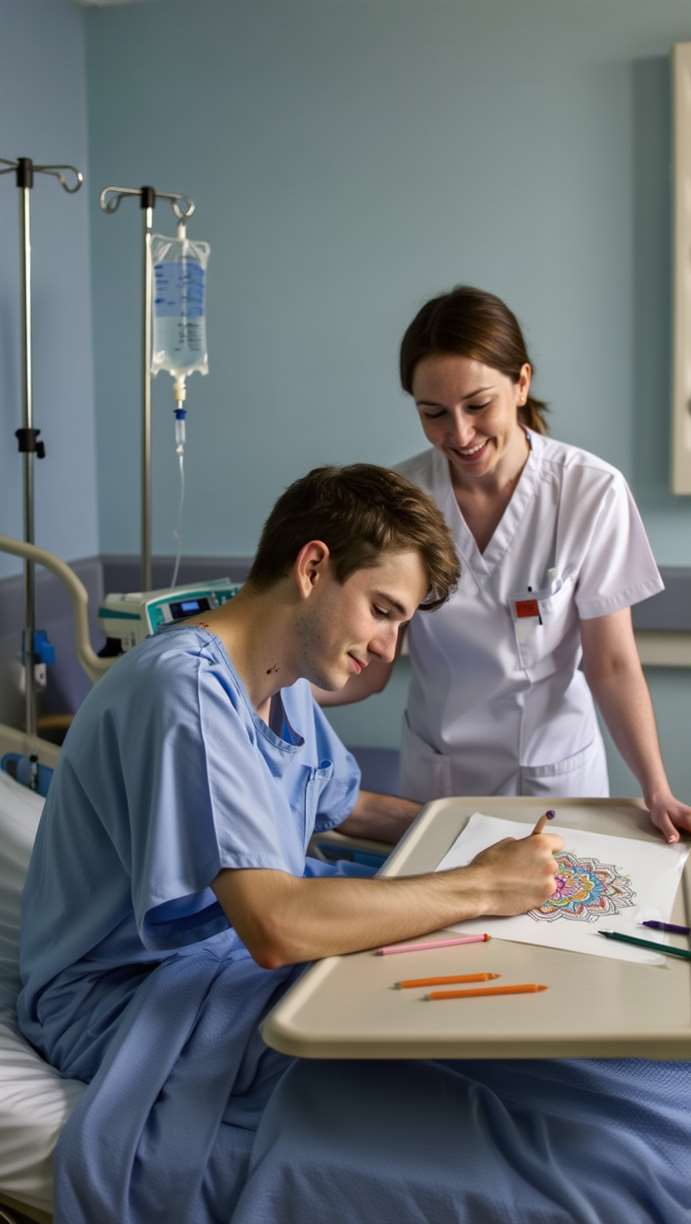
Objective: To review the application of mandala therapy in various medical contexts: chronic diseases, oncology, palliative care, rehabilitation.
Methods: Systematic review of research on application of art therapy and mandala therapy in medical practice. Analysis of art therapy integration into comprehensive treatment of patients with various medical conditions.
Results: Research shows that mandala therapy can be effectively applied in various medical contexts. Art therapy is integrated into medical practice as an additional tool for patient support.
Conclusions: Mandala therapy has potential for application in medical context. Further research is needed to develop standardized protocols for integration into medical practice.
1. Introduction
Integration of art therapy into medical practice is becoming increasingly common. Mandala therapy, as a branch of art therapy, can be applied in various medical contexts to support patients.
Medical research (jahs.eu, 2024) demonstrates the potential of art therapy in comprehensive treatment of patients with various medical conditions. Mandala therapy can serve as a tool for working with emotional and psychological aspects of diseases.
1.1. Research Relevance
Modern medicine increasingly recognizes the importance of psychological well-being in the treatment process. Art therapy, including mandala therapy, can contribute to improving quality of life and supporting psychological health of patients.
2. Application in Various Medical Contexts
2.1. Chronic Diseases
Patients with chronic diseases often face long-term stress, anxiety, and depression. Mandala therapy can serve as a tool for working with these conditions, contributing to improved psychological well-being.
2.2. Oncology
In oncology practice, art therapy is applied to support patients at various stages of treatment. Mandala therapy can help patients cope with emotional challenges associated with diagnosis and treatment.
2.3. Palliative Care
In palliative care, art therapy can contribute to improving quality of life, working with existential questions, and supporting psychological well-being. Mandala therapy can serve as a tool for expressing emotions and finding meaning.
2.4. Rehabilitation
In the rehabilitation process, mandala therapy can contribute to restoration of psychological well-being, working with traumatic experiences, and supporting the recovery process.
3. Integration into Medical Practice
3.1. Integration Models
Art therapy can be integrated into medical practice in various ways:
- As part of comprehensive treatment
- As additional patient support
- As a rehabilitation tool
- As a means of improving quality of life
3.2. Professional Requirements
Integration of art therapy into medical practice requires cooperation between medical professionals and art therapists. Coordination and understanding of the role of art therapy in comprehensive treatment is important.
4. Discussion
4.1. Benefits of Application
Application of mandala therapy in medical context can bring various benefits:
- Improved psychological well-being of patients
- Reduced stress and anxiety
- Support for treatment process
- Improved quality of life
- Working with emotional aspects of diseases
4.2. Limitations and Challenges
Application of mandala therapy in medical context faces certain challenges:
- Need for protocol standardization
- Requirements for specialist qualifications
- Integration into existing healthcare systems
- Limited evidence base
4.3. Directions for Future Research
For further development of mandala therapy application in medical context, the following are needed:
- Randomized controlled trials
- Development of standardized protocols
- Effectiveness studies in various medical contexts
- Long-term effects studies
- Economic effectiveness analysis
5. Conclusion
Mandala therapy has potential for application in various medical contexts. Integration of art therapy into medical practice can contribute to improved psychological well-being of patients and support for the treatment process.
For further development of the field, additional research, development of standardized protocols, and expansion of evidence base are needed. Mandala therapy can take an important place in the arsenal of methods for supporting patients in medical context.